Fence & Deck Staining Services in San Antonio
Protecting and Beautifying Outdoor Wood Surfaces
Free Estimate for Fence & Deck Staining
Ready to refresh your fence or deck? Use the form below to request a free estimate. Simply provide your details, and we’ll be in touch to discuss your project. Staining is an affordable way to enhance your outdoor spaces, and the first step is filling out the form.
About Our Fence & Deck Staining Services
Wood fences and decks are a major part of many San Antonio homes. They add privacy, character, and functionality to outdoor living areas, but they also endure harsh sunlight, frequent rain, and constant exposure to the elements. Without proper protection, wood fades, weakens, and becomes vulnerable to damage.
Fence and deck staining provides a solution that not only improves appearance but also safeguards your investment. By applying high-quality stains, we create a finish that enhances the beauty of natural wood grain while offering long-term protection against moisture, UV rays, and daily wear. Staining is a practical and aesthetic upgrade, ensuring your outdoor areas look welcoming while standing up to the unique climate conditions of San Antonio.
Problems We Address with Fence & Deck Staining
Our Fence & Deck Staining Process
A professional stain application requires careful preparation and methodical steps to ensure the finish lasts. Our process is detailed and designed to give wood the best possible protection.
Step 1: Inspection and Evaluation
Every project begins with a thorough inspection of your fence or deck. This step identifies problem areas such as loose boards, protruding nails, or signs of rot. Small repairs are made to ensure the structure is sound before staining begins. Addressing these issues up front prevents premature failure of the finish.
Step 2: Cleaning the Surface
Cleaning is a critical part of the process. Over time, wood surfaces accumulate dirt, pollen, mildew, and old coatings. We wash the fence or deck thoroughly to remove debris and restore the natural surface of the wood. For decks, this may involve scrubbing or pressure washing at a safe level to avoid damaging the boards. This step is vital because stain adheres best to a clean, porous surface.
Step 3: Drying and Moisture Testing
Once cleaned, the wood must dry completely before stain is applied. Applying stain to damp wood traps moisture inside, which can cause warping, peeling, or mold growth later. We allow proper drying time and may perform a simple moisture test to confirm the surface is ready. This step ensures the stain penetrates fully and evenly.
Step 4: Surface Preparation and Sanding
Depending on the condition of the wood, sanding may be required to smooth rough spots or remove remnants of previous coatings. This step helps open up the pores of the wood, improving stain absorption and ensuring a consistent finish. It also removes splinters, making decks safer for bare feet and hands.
Step 5: Choosing the Right Stain
Stain choice makes a major difference in both appearance and performance. Transparent stains highlight the natural grain, semi-transparent stains add color while showing texture, and solid stains provide the most coverage with strong UV protection. The selection is tailored to your wood type, exposure level, and style preference.
Step 6: Application of Stain
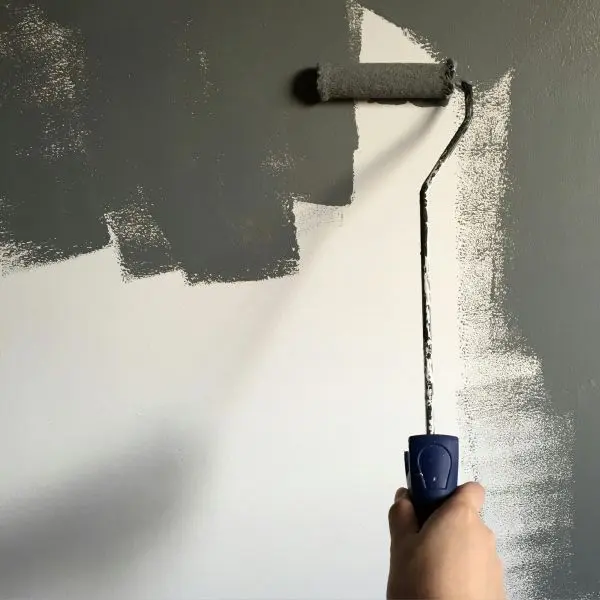
Stain is applied evenly using brushes, rollers, or sprayers depending on the project. Care is taken to work the stain into the wood fibers rather than just coating the surface. Multiple thin coats may be applied to ensure proper penetration and rich color. Attention is given to edges, corners, and hard-to-reach areas that often get overlooked but are equally vulnerable to weathering.
Step 7: Drying and Curing
After staining, the surface is given time to cure. Drying periods vary based on weather, humidity, and the type of stain used. During this stage, foot traffic or contact with water is avoided to ensure a flawless finish. Once cured, the surface is ready to withstand the elements while showcasing a refreshed look.
Step 8: Final Inspection
Once the stain has dried, a final inspection is completed to ensure consistent coverage and quality results. Any touch-ups needed are performed at this stage. The finished surface is smooth, evenly colored, and ready to withstand outdoor conditions. We also provide recommendations on maintaining your stained deck or fence. This may include when to clean, how to handle small spills, and signs to look for when it is time to reapply stain in the future. This guidance helps extend the results of the project and keeps the wood looking its best for years.
Areas We Serve in San Antonio
We proudly provide fence and deck staining services throughout San Antonio and surrounding areas. Some of the neighborhoods and suburbs we commonly serve include:
Frequently Asked Questions
How often should I stain my fence or deck?
The frequency depends on the type of stain used, the wood species, and how much sun and moisture exposure the surface receives. In San Antonio’s climate, most fences and decks benefit from re-staining every 2 to 3 years. Transparent or semi-transparent stains typically need refreshing sooner because they allow more UV light to penetrate the wood. Solid stains last longer but may require reapplication every 3 to 5 years. Regular maintenance checks—looking for fading, dryness, or water absorption—are the best way to know when it is time for another coat.
What is the difference between staining and painting a deck or fence?
Painting creates a thick surface layer that sits on top of the wood, while stain penetrates into the wood fibers. This distinction is important. Stain enhances the natural grain and allows the wood to breathe, reducing the risk of peeling and cracking. Paint, by contrast, can chip or blister over time as the wood expands and contracts with weather changes. Stain is also easier to refresh because you do not need to strip away heavy layers of old product. For homeowners who want to showcase the beauty of natural wood while adding protection, staining is the more practical long-term solution.
Does staining protect against weather damage?
Yes, staining is one of the most effective ways to shield wood from the elements. Stain contains resins and pigments that repel moisture and block harmful UV rays. Without this barrier, rainwater can seep into the wood, leading to rot, swelling, and cracking. Sunlight, on the other hand, can bleach wood and cause it to become brittle. Stain not only slows this natural wear but also helps maintain a more even color across the entire structure. In climates with strong sun and periodic heavy rains like San Antonio, stain is almost essential for extending the life of outdoor wood.
Can old, weathered wood be stained successfully?
Yes, even older fences and decks can be revitalized with proper preparation. The key is thorough cleaning and, in some cases, sanding to remove gray, deteriorated fibers and previous coatings. Once the surface is restored to a clean, porous state, stain can penetrate effectively. While very damaged or rotting boards may need to be replaced, many weathered structures respond well to a fresh stain application. The result is often a dramatic transformation that restores both function and beauty without the need for a full replacement.
What types of stains are available?
There are three main categories of stain: transparent, semi-transparent, and solid. Transparent stains highlight natural grain with minimal added color, giving wood a subtle and natural look. Semi-transparent stains add more pigment, enriching color while still showcasing wood texture. Solid stains provide the most coverage and protection, with a paint-like appearance but better breathability. The right choice depends on personal preference, wood condition, and exposure level. For example, decks with heavy sun exposure may benefit from semi-transparent or solid stains to maximize UV protection.
How long does the staining process take?
The length of the project varies based on the size of the structure, wood condition, and drying conditions. On average, most residential fences and decks take one to three days to complete, including cleaning, drying, preparation, and application. The wood must be allowed to dry fully after washing, which can extend the timeline depending on humidity and weather. Once stain is applied, it usually needs at least 24 hours of curing before light use. Larger decks or fences with extensive preparation requirements may take longer, but careful pacing ensures the best possible finish.
Will staining make my deck slip-resistant?
Staining itself does not make wood slippery. In fact, because it penetrates into the fibers rather than forming a slick layer on the surface, stain generally preserves the natural traction of wood. Unlike some paints or sealants that can create a glossy film, most stains leave a textured feel underfoot. However, water, mold, or algae buildup on any surface can reduce traction, which is why ongoing cleaning is recommended. Staining helps prevent this buildup by resisting moisture and organic growth, indirectly contributing to a safer walking surface.
What kind of preparation is required before staining?
Preparation is one of the most critical stages of the process. It usually involves:
- Inspecting for and repairing damaged boards or nails.
- Thorough cleaning to remove dirt, mold, and old coatings.
- Allowing the wood to dry completely to ensure proper absorption.
- Sanding rough or splintered areas for smoothness and consistency.
Skipping these steps results in poor adhesion and uneven color. While preparation may add time to the project, it dramatically improves the longevity and appearance of the stain.
Can stain colors be customized to match my home?
Yes, stain comes in a wide variety of shades, ranging from light natural finishes to rich dark tones. Many homeowners select a stain that complements the color of their siding, brick, or trim. Some choose lighter tones to highlight a bright and airy style, while others prefer deeper shades for contrast and sophistication. Customization allows fences and decks to blend seamlessly with the overall design of your outdoor space, enhancing curb appeal and creating a cohesive look.
How do I maintain my stained fence or deck?
Maintenance involves periodic cleaning and inspection. Sweeping away debris, rinsing with a garden hose, and occasionally scrubbing with a mild cleaner will help preserve the finish. Avoid harsh chemicals, as these can break down stain over time. After heavy storms, check for standing water or areas where moisture may be trapped. Performing small touch-ups when minor fading or wear appears can extend the life of the finish and delay the need for a full reapplication. With regular upkeep, the protective and visual benefits of staining can last for years.
Refresh and Protect Your Fence or Deck
Outdoor wood surfaces add character and functionality to your home, but they require care to keep them looking their best. Staining is a cost-effective way to improve appearance, prevent damage, and extend the life of your fence or deck.
If you are ready to restore your outdoor wood and protect it from the elements, now is the perfect time to act. Fill out the form today to request your free estimate and start planning your project. A beautiful, durable outdoor space begins with quality staining.