Faux-Finish Painting Services in San Antonio, TX
Transform Your Walls with Unique Style
Get a Free Estimate
Ready to give your walls a one-of-a-kind decorative look? Fill out the form to request your free estimate. You will be contacted to review your request and provide more information.
About Faux-Finish Painting
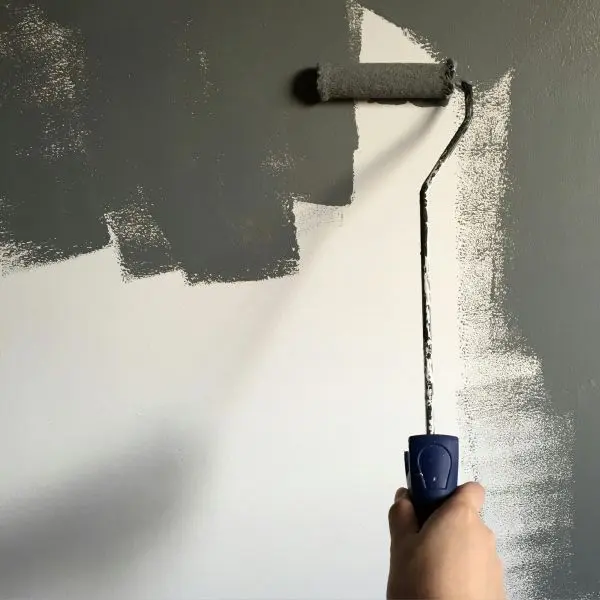
Faux-finishing is an artistic painting technique that uses layered applications, glazes, and specialized tools to mimic the appearance of textures like wood, stone, marble, or even fabric. Unlike a simple coat of paint, faux-finishes create dimension and richness that standard paint cannot achieve.
This type of decorative painting can be tailored to fit a wide range of design preferences. For example, homeowners who enjoy a rustic look may choose distressed finishes that add an aged character to their walls. Those who prefer a more sophisticated atmosphere might opt for Venetian plaster or a metallic wash to reflect light and add a subtle sheen.
Faux-finishes can also be an affordable way to replicate the appearance of expensive materials. Instead of investing in natural stone or imported tile, faux techniques can create the illusion of those surfaces at a fraction of the cost. The end result is a space that feels stylish, personalized, and visually engaging.
Common Problems Faux-Finishing Can Address
Faux-finishes not only add style but also help solve some common challenges homeowners face with wall surfaces. Here are a few ways this service can be especially useful:
Our Process
One of the most important aspects of faux-finishing is the preparation and layering that goes into creating the final effect. Unlike traditional painting, where a wall may be finished with one or two coats, faux-finishes are built step by step to achieve depth and texture. Below is a closer look at the process:
1. Initial Consultation and Design Discussion
The first step is to understand the homeowner’s vision. Faux-finishes come in many forms, including rag rolling, sponging, color washing, Venetian plaster, and metallic accents. During this phase, design preferences, color schemes, and the type of texture desired are discussed. Homeowners may bring inspiration photos or ideas to help guide the selection process.
2. Surface Preparation
Proper preparation ensures the finish adheres correctly and looks consistent. Walls are cleaned to remove dirt, dust, or grease. Small holes and cracks are filled, and rough areas are sanded smooth. If necessary, a base coat is applied to provide a uniform starting point. This foundational work ensures that the final decorative layers sit evenly across the entire wall.
3. Application of Base Colors
The first layer of color sets the tone for the finish. This base coat is often slightly different from the glaze or top layer, as the interaction between them creates the final depth. Depending on the desired effect, multiple base colors may be applied in different areas to add richness.
4. Layering Glazes and Textures
Once the base is dry, glazes are mixed and applied using sponges, rags, brushes, or specialized tools. Each technique produces a unique look. For example, rag rolling creates a soft, textured pattern, while sponging gives a more organic, mottled effect. Venetian plaster involves applying thin layers of plaster-like material and then burnishing it for shine. Metallic finishes often require blending glazes with subtle shimmer to catch light in the room.
5. Blending and Detailing
The artistry of faux-finishing lies in the blending stage. Layers are softened, transitions are smoothed, and colors are adjusted until the desired look is achieved. Attention to corners, trim lines, and edges ensures a professional appearance without abrupt stops in the pattern.
6. Drying and Protective Sealing
After the design is completed, adequate drying time is given between layers. Some finishes may also benefit from a protective sealant that enhances durability and helps preserve the look. The sealant can add either a matte or glossy effect, depending on the homeowner’s preference.
7. Final Walkthrough and Adjustments
A final review allows homeowners to see the completed work and request any minor adjustments. Faux-finishes are highly customizable, so small changes in tone or blending can often be made before the project is finalized.
Areas We Serve
We proudly provide faux-finish painting services in San Antonio and surrounding areas, including:
Frequently Asked Questions
What is faux-finish painting and how is it different from regular painting?
Faux-finish painting is a decorative technique that replicates the look of more expensive materials, textures, or surfaces using specialized painting methods. Instead of applying a flat, single-color coat like standard painting, faux finishes add dimension, depth, and visual interest. Common effects include marble, wood grain, stone, metallic sheens, and textured plaster looks. The goal is to transform ordinary walls or surfaces into something artistic and custom. This approach allows homeowners to achieve the aesthetic of high-end finishes without the cost and permanence of installing real materials.
What types of faux finishes are most popular in San Antonio homes?
San Antonio homeowners often choose finishes that complement the warm tones and textures common in the region. Popular options include Venetian plaster for a smooth, elegant surface with subtle movement, rag rolling for a soft, cloud-like texture, and color washing for an aged, rustic feel. Metallic finishes are frequently used for accent walls, adding reflective depth to modern interiors. Another classic choice is faux wood graining, which is ideal for doors, trim, or cabinetry where a natural wood appearance is desired without replacing materials. The versatility of faux finishes makes them adaptable to both contemporary and traditional homes.
How durable are faux finishes compared to standard paint?
Durability depends on the technique and materials used, but many faux finishes can last just as long, if not longer, than traditional paint when properly applied. Because faux finishes are often created with multiple layers, they tend to resist visible wear better than single-layer paint. Some textures and glazes can even disguise minor surface imperfections or scuffs. Maintenance is typically minimal, requiring only light dusting or occasional wiping with a damp cloth. High-traffic areas may eventually need touch-ups, but the textured or blended nature of faux finishes makes these touch-ups less noticeable compared to solid-color paint.
Can faux finishes be applied in any room of the house?
Yes, faux finishes can be adapted for nearly any space, but the choice of finish should match the function of the room. For example, Venetian plaster is often chosen for living rooms and entryways because of its sophisticated look, while color washing or rag rolling works well in bedrooms to create a calming atmosphere. Metallic finishes or textured effects are popular for accent walls, dining rooms, or powder rooms where homeowners want a bold statement. Even kitchens and bathrooms can benefit from faux finishes, as long as the technique and materials used are suitable for areas with higher humidity.
Do faux finishes only work on walls?
Not at all. While walls are the most common surfaces for faux finishes, these techniques can also be applied to ceilings, furniture, cabinetry, doors, columns, fireplaces, and even trim. For example, a faux marble finish can transform a plain fireplace into a sophisticated focal point, while faux wood grain can add character to doors or built-in shelving. Ceilings are another overlooked space where a subtle metallic wash or textured finish can dramatically change the mood of a room. Faux finishing provides flexibility for homeowners who want creative solutions beyond flat wall paint.
How do I decide which faux finish is right for my space?
Choosing the right finish depends on your style, the mood you want to create, and how the space is used. Start by considering the overall design of your home. A rustic home may benefit from distressed or textured effects, while a modern home might look better with metallic or sleek Venetian plaster finishes. Accent walls can handle bolder designs, while subtle color washes might be more suitable for entire rooms. Lighting also plays a significant role because faux finishes often interact with natural and artificial light differently than flat paint. Consulting with an experienced painter familiar with faux techniques can help narrow down the options and align the look with your vision.
Are faux finishes more expensive than standard painting?
Faux-finish painting often requires more time, materials, and specialized techniques compared to a standard paint job, so it typically comes at a higher cost. However, it is still more affordable than installing natural materials like stone, wood, or marble. The investment is often worthwhile because faux finishes create a unique, customized appearance that enhances the overall value and aesthetic of the home. Many homeowners use faux finishes strategically, applying them to feature walls, ceilings, or focal points rather than every wall in a room, which helps manage cost while still delivering dramatic impact.
How long does a faux-finish project usually take?
The timeframe depends on the size of the space, the complexity of the technique, and the preparation required. Simple finishes, such as rag rolling or sponging, may be completed in a day or two for a single room. More elaborate finishes, like Venetian plaster or multi-layered marble effects, can take several days to achieve the depth and polish desired. Preparation also plays a role, since walls must be properly cleaned, smoothed, and primed before the faux finish is applied. A consultation before beginning the project helps establish a realistic timeline.
Do faux finishes require special maintenance after they are applied?
Maintenance for faux finishes is generally easy and often simpler than flat paint. Most finishes are resistant to minor marks or scuffs, especially those with glazes or textured surfaces that conceal imperfections. For cleaning, a soft cloth or feather duster is usually sufficient, and occasional wiping with a damp sponge can help maintain appearance. Harsh scrubbing or abrasive cleaners should be avoided to prevent damaging the finish. For high-traffic areas, touch-ups may eventually be needed, but blending a faux finish is typically easier than matching a solid-color wall.
Can faux finishes help hide imperfections in my walls?
Yes, certain faux techniques are particularly effective at disguising uneven textures, dents, or other surface flaws. For example, rag rolling or sponging can add depth and movement that distract from imperfections, while plaster techniques can smooth or cover rough surfaces. Solid, flat paint often highlights flaws, but the layered look of faux finishes provides visual complexity that masks them. This makes faux finishing a great option for older homes or surfaces that are difficult to repair completely.
Ready to Refresh Your Home’s Interior?
If you are looking for a creative way to update your walls, faux-finish painting offers endless possibilities. Whether you want a subtle wash of color, the appearance of natural stone, or a bold decorative accent, this technique can help transform your living space.
Take the first step today by filling out the contact form for a free estimate. Share your vision with us, and we will provide the details you need to move forward. Your home deserves a look that feels both stylish and unique.