Interior House Painting Services in San Antonio, TX
Bringing New Life to Your Living Spaces
Get a Free Estimate
Give your home’s interior a fresh start by requesting a free estimate.
Submit your request today to get your free estimate. Provide as much detail as possible so we can tailor the response to your project.
About Interior House Painting
Interior painting has an immediate impact on how a home feels. Colors influence mood, lighting, and the perception of space. A freshly painted interior can make a home feel cleaner, brighter, and more welcoming. Many homeowners use interior painting to refresh outdated spaces, personalize a new home, or prepare a property for sale.
In addition to aesthetics, interior painting addresses wear and tear. Walls often accumulate scuffs, marks, or minor imperfections over time. A new coat of paint smooths and conceals these blemishes, restoring surfaces to like-new condition.
Updating interiors with thoughtful paint choices also allows rooms to serve their purpose better. Calming tones create restful bedrooms, while vibrant colors bring energy to kitchens or playrooms. With the right colors and finishes, painting transforms how a home is experienced day to day.
Common Problems We Address
Interior walls and surfaces are exposed to daily use, and painting often corrects a range of issues before color is applied. Some of the most common problems addressed include:
Our Process
A detailed and organized process ensures that interior painting projects are handled with care. Each step builds toward a professional-looking finish that enhances the space.
1. Initial Assessment
Before painting begins, the space is reviewed to understand its condition and the homeowner’s goals. This includes evaluating wall surfaces, trim, ceilings, and doors for cracks, holes, stains, or other imperfections. The assessment helps determine what preparation steps are necessary before paint application.
2. Room Preparation
Protecting the home is a priority. Furniture is moved or covered, floors are shielded with drop cloths, and fixtures are taped or wrapped. Switch plates, outlet covers, and vent covers are removed to ensure edges are neat and complete. Preparing the room minimizes disruption and keeps the home clean throughout the project.
3. Wall Repairs and Surface Prep
Walls and ceilings are patched where necessary. Nail holes are filled, cracks are repaired, and rough areas are sanded smooth. Stained or water-damaged areas are primed to block discoloration from bleeding through. Proper preparation gives paint the best surface to adhere to and creates a flawless finish once completed.
4. Priming Where Needed
Not all walls require primer, but areas with patched spots, new drywall, or stains benefit from this step. Primer seals the surface, provides even absorption, and helps the final color look richer and more consistent.
5. Masking and Protection
Trim, doors, and edges where walls meet ceilings are taped to achieve sharp, clean lines. Floors and furnishings remain covered throughout the process. This careful masking ensures that only the intended surfaces receive paint.
6. Applying Paint to Walls and Ceilings
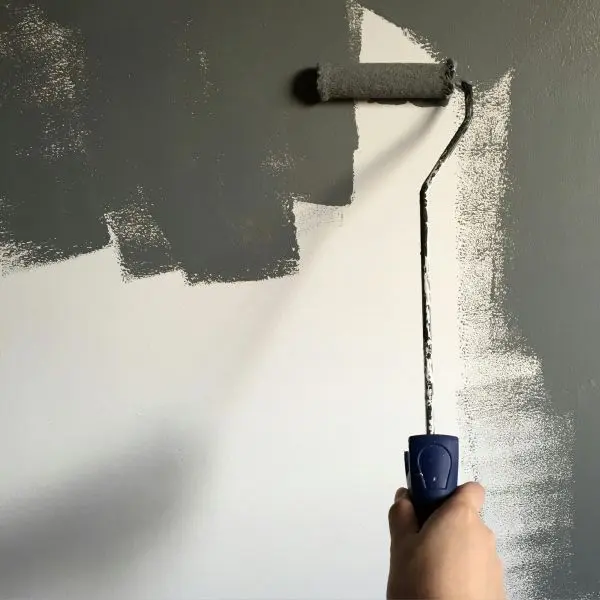
Paint is applied using rollers for larger areas and brushes for precision work near trim and corners. Depending on the color change and surface condition, multiple coats may be applied. Each coat is allowed to dry properly before the next is added, creating a smooth and durable finish.
7. Painting Trim and Details
Doors, baseboards, window frames, and crown molding receive special attention. These areas often require a different finish, such as semi-gloss, to stand out against matte or eggshell walls. Crisp lines around trim elevate the overall look of the room.
8. Final Inspection and Touch-Ups
Once the main painting is complete, the room is carefully inspected. Any areas that need additional coverage or sharper lines are touched up. The goal is a uniform, polished result throughout.
9. Cleanup and Room Reset
Protective coverings are removed, fixtures are reinstalled, and furniture is returned to place. The room is left neat and ready for immediate use. The only noticeable difference is the refreshed color and finish.
Areas We Serve in San Antonio
Interior painting services are available throughout San Antonio and many surrounding communities, including:
Frequently Asked Questions
How often should the interior of a home be painted?
The frequency depends on the room’s use and the type of finish previously applied. High-traffic areas like hallways, kitchens, and children’s bedrooms may show wear within 3 to 5 years and benefit from more frequent repainting. Rooms with less activity, such as formal dining rooms or guest bedrooms, can often go 7 to 10 years before needing a new coat. Additionally, lighter colors tend to show scuffs and stains sooner, while darker colors may fade with exposure to sunlight. Regular inspections help determine when a room could use a refresh.
What type of paint finish works best for different rooms?
Each room in a home experiences different conditions, making the choice of finish important. Flat and matte finishes are popular for ceilings and low-traffic rooms because they hide imperfections well. Eggshell and satin finishes work well in living rooms and bedrooms, offering a balance between durability and subtle sheen. Kitchens, bathrooms, and laundry rooms benefit from semi-gloss or gloss finishes since they resist moisture and can be wiped clean easily. Selecting the right finish ensures the paint not only looks good but also functions effectively for the room’s purpose.
How long does an interior painting project take?
The timeline varies depending on the size of the home, the number of rooms, and the level of preparation required. A single room in good condition may be completed in one to two days, while an entire home may take a week or more. Drying times between coats also affect the schedule, as each layer needs to set properly for the best finish. Prepping rooms by moving furniture and repairing surfaces adds time but is necessary for a quality result.
How should homeowners prepare for interior painting?
Preparation by the homeowner makes the process smoother. This often includes removing personal items from walls, clearing small objects and valuables from the room, and providing access to areas that need painting. Large furniture can be moved away from walls or covered with protective cloths. Ensuring pets and children are kept out of the work area is also important for safety and efficiency. The more preparation done beforehand, the more efficiently the painting process can begin.
Does interior painting require moving all furniture out of a room?
In most cases, it isn’t necessary to remove every piece of furniture. Larger pieces can be moved to the center of the room and covered with protective materials. Smaller items such as end tables, chairs, and decorations are usually removed to make the space easier to work in. The goal is to protect belongings from dust, paint splatter, or accidental damage while ensuring painters have enough space to move freely around the room.
How do you deal with imperfections on walls before painting?
Wall preparation is a critical step in the process. Cracks, nail holes, dents, and rough patches are filled and sanded until smooth. Stains or watermarks are sealed with primer to prevent them from bleeding through the paint. Glossy surfaces may be lightly sanded or treated to ensure better adhesion. By addressing these issues before painting begins, the final finish appears even, polished, and long-lasting.
What factors influence the cost of interior painting?
The cost depends on several factors, including the size of the rooms, ceiling height, amount of trim or molding, and the extent of preparation required. Homes with many architectural details, multiple colors, or surfaces that need extra repairs will typically require more time and materials. The quality of paint selected and the number of coats applied also play a role. The most accurate way to determine cost is by requesting a free estimate based on the specific project.
Can new paint cover strong or dark existing colors?
Yes, but covering strong or dark colors often requires extra preparation. Applying a high-quality primer is essential to block out the old color and provide a uniform surface for the new shade. Depending on the desired color change, multiple coats of paint may be needed to achieve full coverage and vibrancy. For example, painting over a deep red wall with a light gray may require primer plus two coats of paint. This process ensures the new color looks consistent and true.
Is it possible to live in a home during interior painting?
Yes, most homeowners remain in their homes while painting is underway. Because projects are typically completed room by room, it is possible to work around the household’s schedule and minimize disruption. However, certain rooms may be temporarily unavailable while paint is drying. Good ventilation is maintained throughout the project to reduce odors and speed up drying times. With planning, families can continue daily routines during the painting process.
How long does interior paint last before showing wear?
The longevity of interior paint depends on the finish, room usage, and the quality of the application. In low-traffic areas, paint can look fresh for 7 to 10 years. In busy areas such as hallways, kitchens, or bathrooms, wear and tear may be noticeable in as little as 3 to 5 years. Regular cleaning, such as gently wiping down walls and addressing marks promptly, helps extend the life of the paint. Choosing the right finish for each room also plays a major role in durability.
Get A Free Quote
If you are ready to refresh your home’s interior with new colors, smooth finishes, and a more inviting atmosphere, the next step is simple.
Fill out the form above to request your free estimate. Whether you are looking to update a single room or transform your entire home, we are here to help you get started.
Provide a few details about your project and submit your request today. A freshly painted interior is only a step away.